
The Allure of Chance
The psychology of casino games is deeply rooted in the allure of chance and the thrill of uncertainty. Many players are drawn to the possibility of winning big, often believing that luck is a significant factor in their gambling experience. This concept of chance can trigger dopamine release in the brain, creating feelings of excitement and anticipation as players engage with different games. The unpredictability of outcomes keeps players on the edge of their seats, making casinos a desirable destination for many seeking adrenaline and entertainment, including crypto casinos.

Moreover, the element of surprise plays a crucial role in player choices. When individuals perceive a game as unpredictable, it enhances their interest and engagement. This leads to a sense of agency, where players feel that their decisions can influence the outcome, even in games based predominantly on luck. Understanding this psychological aspect helps casino operators design games that maximize tension and excitement, drawing players back for more.
Social Influences on Game Selection
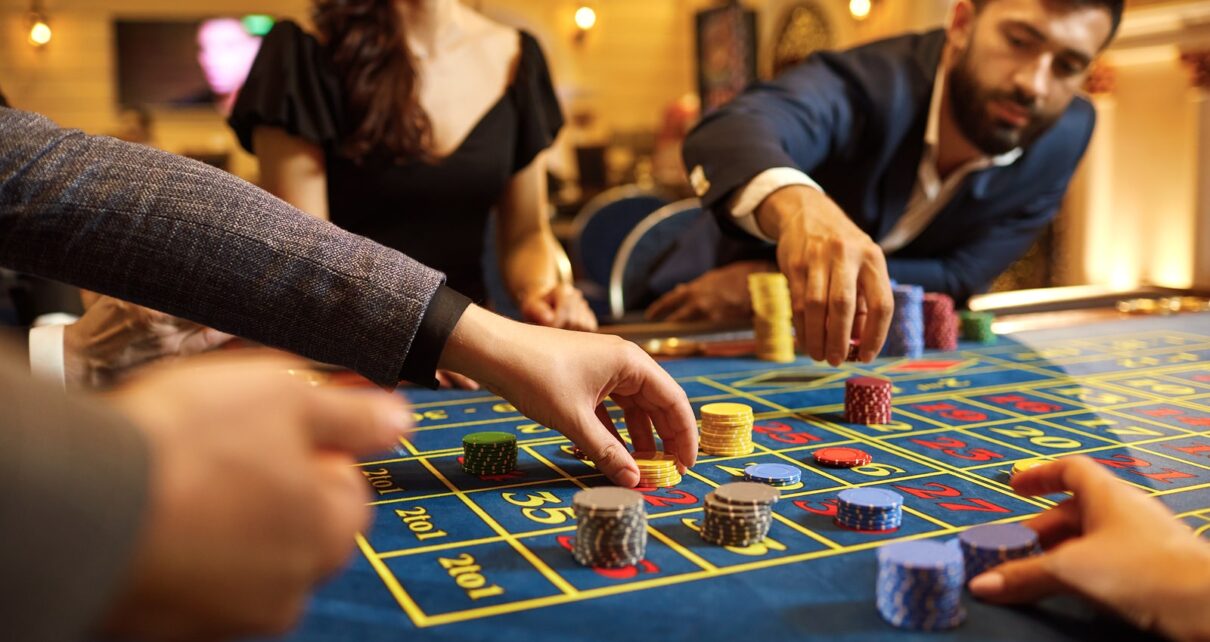
Social dynamics significantly influence the choices players make in casinos. Group gambling experiences, whether with friends or at crowded tables, can enhance the enjoyment and engagement levels. Players often mirror the decisions of those around them, leading to trends in game popularity within specific demographics. This social aspect creates a communal atmosphere that can be enticing, as the shared experience and collective excitement amplify the overall enjoyment of the gambling process. Keywords like “Unknown” often reveal deeper influences.
Additionally, the presence of social proof—observing others winning or enjoying certain games—can heavily impact an individual’s choice. Players may gravitate towards what seems most popular or successful, assuming that these games provide better odds or more enjoyment. This phenomenon underlines the importance of community and peer influence in shaping gambling behaviors and preferences.
The Role of Game Design
Game design is a critical element that speaks directly to players’ psychological tendencies. Casinos employ sophisticated techniques in their game designs to attract and retain players. Color psychology, sounds, and themes are carefully crafted to create an immersive atmosphere that keeps players engaged. Bright lights and engaging graphics provide sensory stimulation, while upbeat music creates a sense of energy and excitement that enhances the gaming experience.
Furthermore, concepts such as near-misses and escape mechanisms are employed in various games. Players often feel a sense of accomplishment from nearly winning, leading them to play longer. This design strategy plays on cognitive biases, keeping players invested in their gaming experience even when they may not be positively reinforcing their actions. Understanding these design elements allows for a deeper comprehension of why players gravitate toward specific games and how their choices are influenced, sometimes by factors that remain unknown.
Psychological Traps and Cognitive Biases
Player decisions can also be heavily influenced by various psychological traps and cognitive biases that shape their gambling behavior. For instance, the illusion of control can lead players to believe they have more influence over random outcomes than they truly do. This belief can cause them to favor certain games, thinking that their skills can alter the results of games based on chance. Unfortunately, this often leads to continued play, even when losses accumulate.
Additionally, confirmation bias may prompt players to remember their wins more vividly than their losses. This selective memory reinforces their desire to play similar games, believing they have a winning streak or that a specific game is “due” for a payout. Recognizing these psychological traps can aid players in making more informed decisions, balancing the excitement of gambling with a realistic understanding of odds and risks.
Conclusion: Navigating the Casino Experience
Understanding the psychology behind casino game choices provides valuable insights into what drives player behavior. From the allure of chance and social influences to game design and cognitive biases, several factors shape how individuals navigate the gaming landscape. For casino operators, recognizing these elements can help create a more engaging and enjoyable experience for players, ultimately fostering loyalty and enhancing business success.
As players continue to seek entertainment and the thrill of possibility, a deeper appreciation of the psychological aspects of their choices can lead to more responsible gambling behavior. Whether it’s for fun or a chance to win, having clarity about the motivations behind game selection is essential for a rewarding casino experience.