
The Role of Decision-Making in Gambling
At the heart of every successful casino strategy lies the complex nature of decision-making. Players often face numerous choices at the tables, from selecting which games to play to deciding how much to wager. These choices can be heavily influenced by cognitive biases and emotional states, which can either enhance or hinder a player’s performance. Interestingly, many resources on this subject highlight key aspects like poker traffic, revealing additional strategies and insights. Understanding how these psychological elements play out can lead to improved gambling tactics.
For instance, the concept of loss aversion suggests that players are more likely to make riskier decisions when they are trying to recover losses. This psychological phenomenon can lead to impulsive bets that stray from a well-constructed strategy. By recognizing these behaviors, players can work toward more rational decisions that align with their long-term goals.
The Impact of Environment on Player Behavior
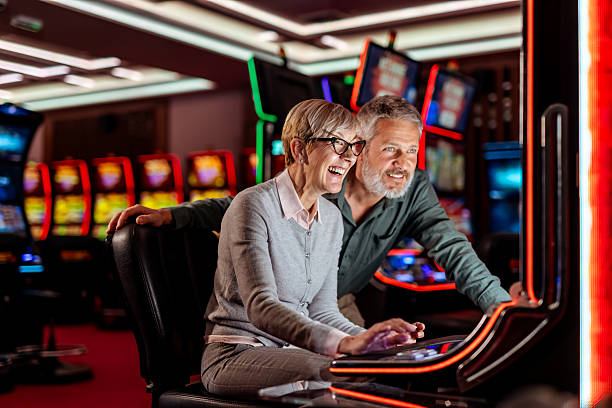
The casino environment is meticulously designed to optimize a player’s experience, which significantly impacts their behavior and decision-making process. Factors such as lighting, noise, and even scent can trigger emotional responses that affect gambling strategies. The atmosphere can create a sense of euphoria, leading to prolonged play and increased wagers. This experience underscores the need for players to be aware of their surroundings and how they influence their gambling approaches.
Moreover, the layout of games and the presence of other players also contribute to the psychological landscape of a casino. Social interactions can lend a sense of camaraderie but can also lead to peer pressure, prompting individuals to take risks they might otherwise avoid. A successful strategy often includes a conscious effort to resist these external influences and remain focused on personal limits and objectives.
Emotional Regulation and Gambling Success
Successful gamblers often exhibit a high degree of emotional regulation, which allows them to maintain composure through wins and losses alike. Emotions can cloud judgment, leading to decisions fueled by excitement or frustration rather than rational thought. By cultivating emotional awareness and harnessing techniques like mindfulness, players can better navigate the psychological ups and downs of gambling.
This skill not only helps in managing immediate reactions but also aids in the development of long-term strategies. Players who learn to balance their emotions with logical thinking are better equipped to adapt their strategies based on previous outcomes, shifting their approaches when necessary to optimize future performance.
The Influence of Cognitive Biases on Strategy Formation
Cognitive biases, such as the gambler’s fallacy and overconfidence, play a significant role in shaping how players devise their strategies. The gambler’s fallacy leads individuals to believe that past events influence future outcomes in games of chance, causing them to make misguided bets based on streaks or perceived patterns. To counter this, players must focus on statistical probabilities and maintain an understanding of randomness in casino games.
Similarly, overconfidence can cause players to underestimate risks, assuming their strategies are foolproof. Recognizing these biases is crucial for developing a more effective gambling approach. By actively questioning their assumptions and remaining grounded in reality, gamblers can cultivate a mindset that prioritizes sound decision-making over misguided confidence.
Insights into Player Behavior from csinvesting.org
For those interested in the psychology behind successful casino strategies, resources such as csinvesting.org can provide valuable insights. The site offers a wealth of information surrounding investment strategies, which also intersects with gambling principles. Understanding the psychological underpinnings of investment can enhance one’s approach to casino gaming.
By leveraging information on behavioral finance and cognitive psychology, players can refine their strategies not only in gambling but also in broader decision-making contexts. The cross-pollination of knowledge from different fields can lead to unique insights that empower individuals to make better choices at the casino and beyond.